Tile Roof Replacement in Lytle Creek from $7,000. Concrete tile outlasts the felt beneath it by decades. Replacing the felt is the job; replacing the tile usually is not. Free inspection and a written quote.
Canyon wind lifts tile, and lifted tile is cracked tile by the time anyone looks. Expect a higher breakage allowance on a Lytle Creek roof than on the valley floor, stated up front rather than arriving as a variation, and expect material to be staged in stages because a full load cannot reach the property in one go.
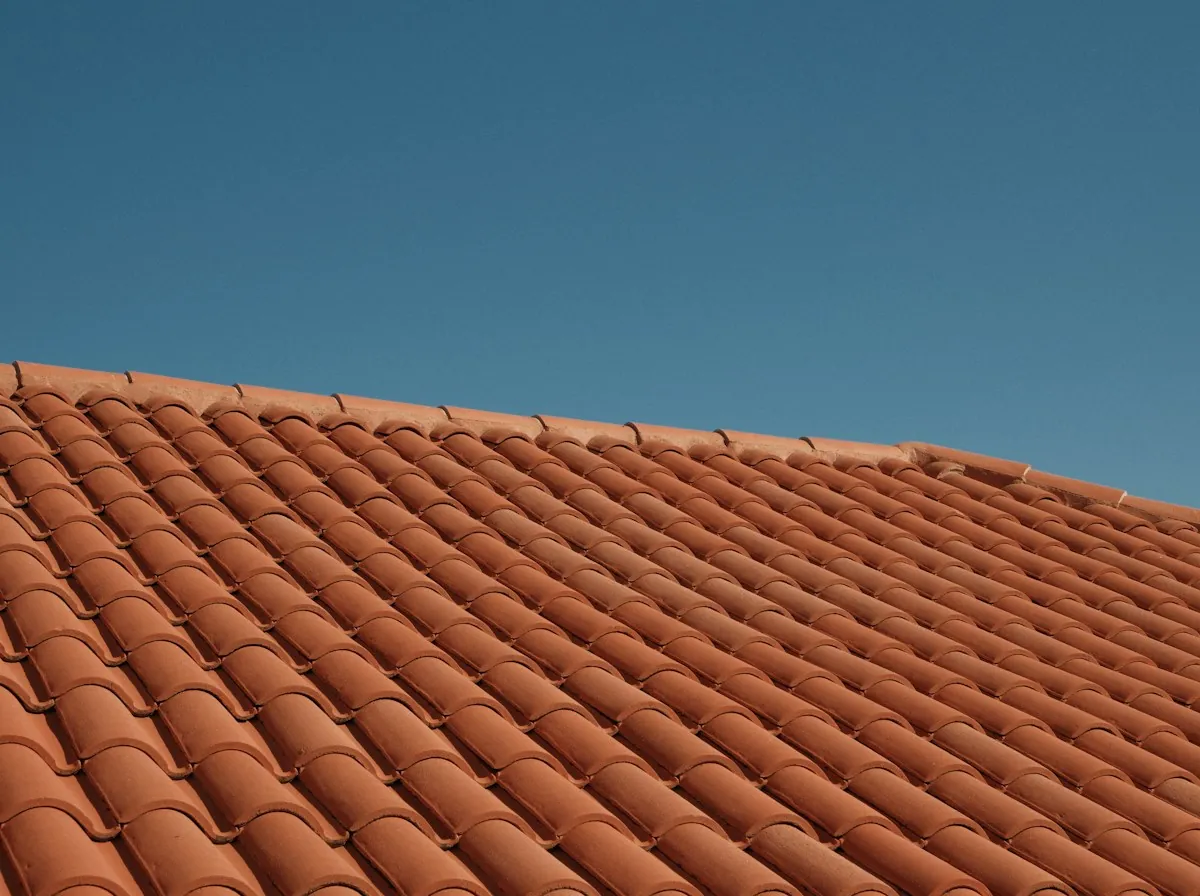
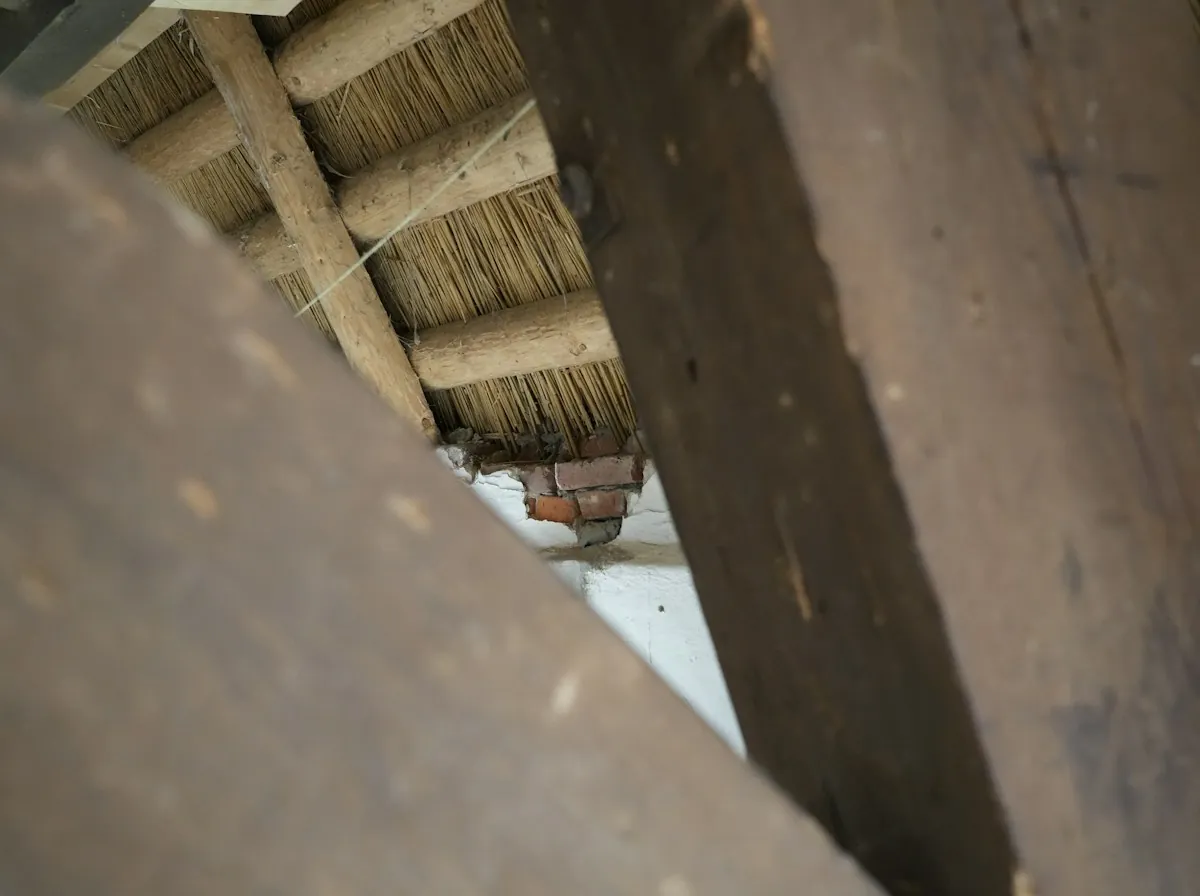
Concrete tile is a large share of Inland Empire tract housing and it outlives the underlayment beneath it by decades. A tile field that looks sound from the street can be sitting on felt that has gone brittle and torn, which is why these roofs leak with no broken tile anywhere near the stain.


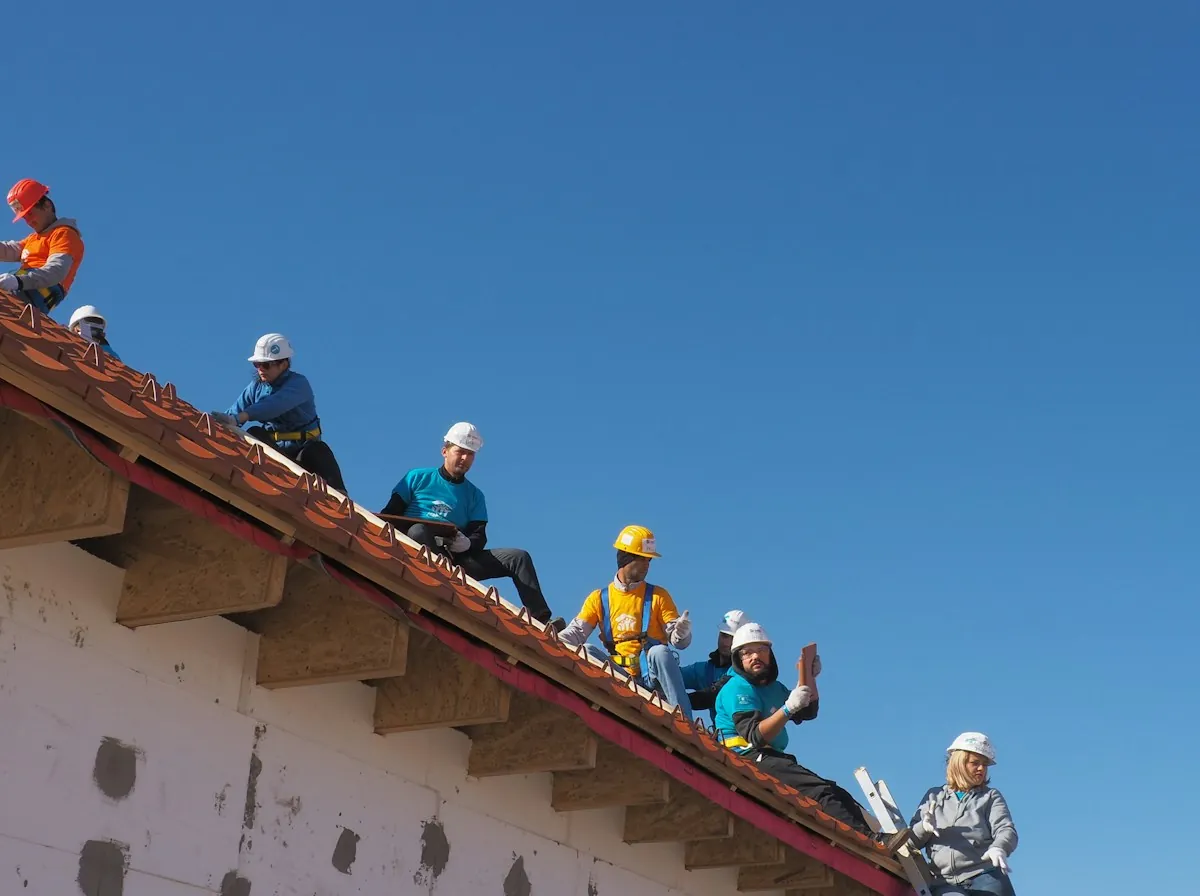
A lift and relay -- your own tile back down over new underlayment -- runs $7,000 to $19,000 here against $26,000 to $52,000 for a full tile replacement. In a climate that kills felt faster than it kills tile, that single question is worth more than every other decision on this page. Two canyon-specific costs. A Class A assembly where the parcel sits in a fire zone, at roughly $1 to $5 per square foot extra. And staged material delivery, because a full load cannot reach most properties up here in one go.
If the tile is sound and only the felt beneath has failed, the relay is the right job at roughly half the cost. We count the salvageable tile before quoting either.
Most Inland Empire tile is 1970s-onward concrete in profiles still manufactured, so breakage is replaceable and the relay stays viable. That is not true of genuinely period clay.
A replacement price with no mention of your existing tile is a price for buying tile you already own. Ask whether a relay was considered and why it was ruled out.
Two things change up here. The brush interface makes the fire-zone question real rather than theoretical -- inside a Very High Fire Hazard Severity Zone a re-roof is a Class A assembly under Chapter 7A, not a product preference, and you should check your own parcel on the state map. And canyon access means material staged in stages rather than dropped in one load.
Lytle Creek is unincorporated foothill country with brush on its margins, so both the permit route and the fire-assembly question differ from the valley floor.
Worth knowing before you start ringing round, and worth factoring into anything with a deadline on it.
Inland Empire roofs do not fail in storms, they fail in August. Months of zone 10 sun take the plasticiser out of asphalt and cook the felt under tile, and none of it shows until the first serious rain finds all of it at once. Most emergency calls here are the bill for a summer nobody could see.
Two things change in the canyon.
In the canyon the cool-roof requirement meets the fire requirement, and inside a Very High Fire Hazard Severity Zone the Class A assembly is the binding constraint.
Canyon wind creases shingle seal lines and the damage is invisible from the ground -- the tab lifts, creases and drops back flat.
A flat roof in a brush interface collects what blows off the hillside, and debris in the corners of a low-slope roof is a drainage problem and a fire one at the same time.
Canyon wind damage is localized by nature -- it hits the exposed slope and leaves the sheltered one alone -- so a single-slope partial is the common and correct job up here.
Zone 10. The cool-roof rule applies to your pitched roof.
Newest subdivisions, busiest geometry, plywood decks.
Its own city, its own building department.
Unincorporated. County permits, and more than one roof.
The oldest stock here. Check the deck first.
A century of building ages in one city.
Semi-rural, unincorporated, outbuildings everywhere.
The questions that come up, before you have to ask.
Because the leak is under it. Concrete tile outlasts the felt beneath it by decades, and zone 10 heat widens that gap. The underlayment tears and goes brittle while the tile field above still looks new from the street -- the commonest tile failure in this valley and not visible from the ground.
Some, yes, and any honest quote says so up front with a breakage allowance. The useful part is that most Inland Empire tile is concrete in profiles still manufactured, so broken pieces can be matched and a relay stays viable.
No. The inspection is free, the written quote is free, and there is no obligation attached to either. What we will not do is give you a price at the door without going up, or quote a cool roof without first checking whether an exception already applies to your house.
Typically $9,000 to $22,000. The Inland Empire sits below the Los Angeles basin on labor and above the High Desert, so an LA average reads high here and a national average reads low. Composition runs about $6 to $9.50 per square foot, tile considerably more.
There are four documented exceptions and they are worth checking before you pay a product premium: an addition with under 300 square feet of roofing, an attic radiant barrier, R-20 or better attic insulation, or properly sealed ducts. On a house with decent attic insulation you may already be compliant.
Free inspection, and a written quote against a written scope. Aged ratings quoted from the CRRC listing, never initial ones.