Tile Roof Replacement in Muscoy from $7,000. Concrete tile outlasts the felt beneath it by decades. Replacing the felt is the job; replacing the tile usually is not. Free inspection and a written quote.
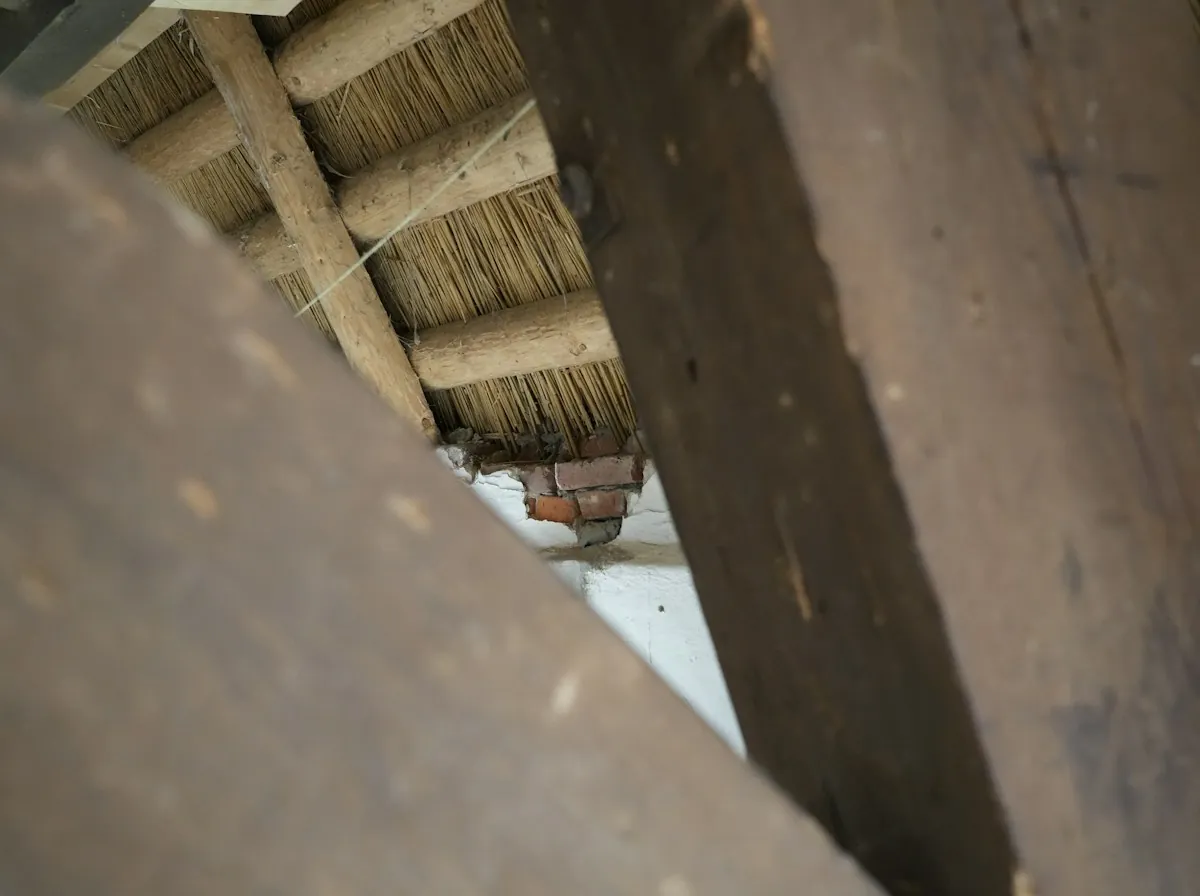
Dust is the local variable on a semi-rural parcel and it is not trivial. Fines work into the courses, pack against the underlayment and hold what moisture there is against it. Clearing under the courses is part of the assessment here rather than something done afterwards -- you cannot see what failed until it is out.
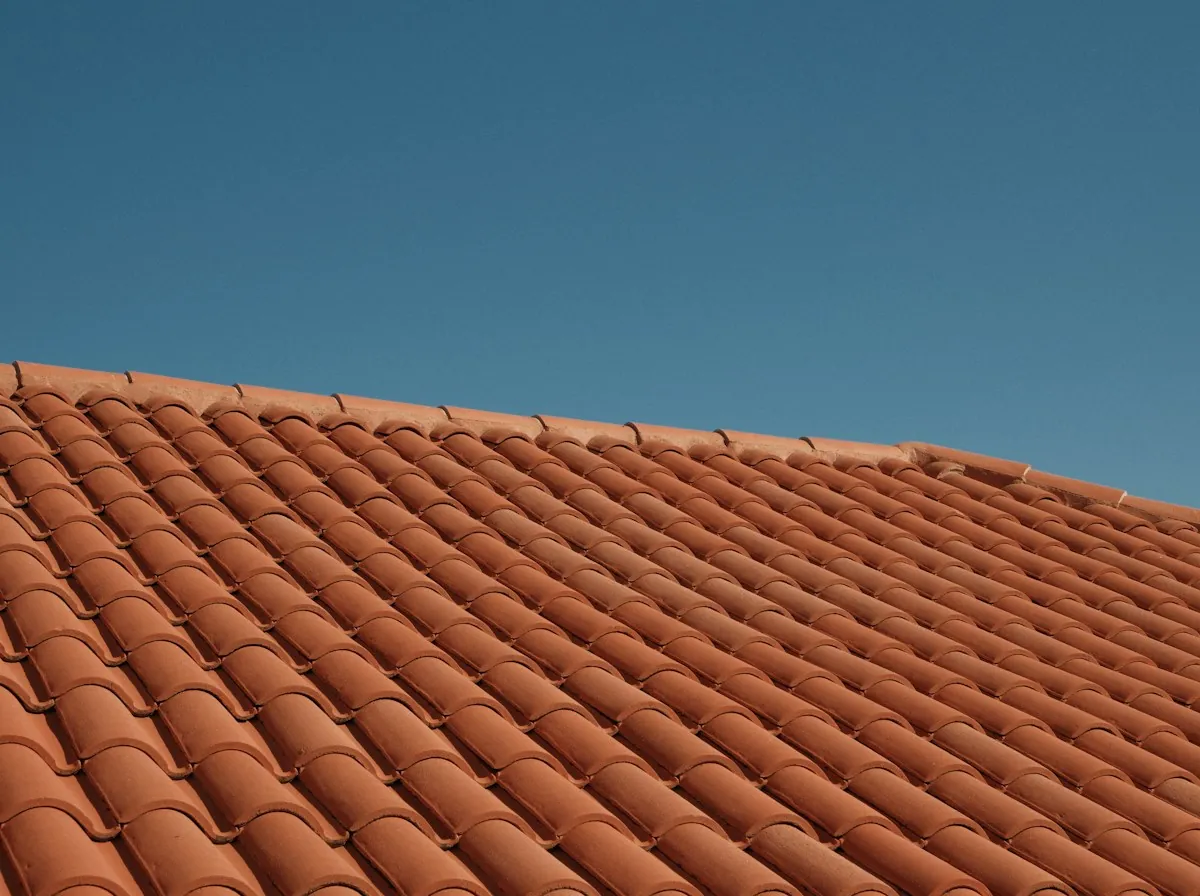
Concrete tile is a large share of Inland Empire tract housing and it outlives the underlayment beneath it by decades. A tile field that looks sound from the street can be sitting on felt that has gone brittle and torn, which is why these roofs leak with no broken tile anywhere near the stain.


A lift and relay -- your own tile back down over new underlayment -- runs $7,000 to $19,000 here against $26,000 to $52,000 for a full tile replacement. In a climate that kills felt faster than it kills tile, that single question is worth more than every other decision on this page. Expect an itemized quote covering every structure, and expect access to appear as a line. Long driveways and gated yards cost time for material in and waste out, and that is legitimate rather than padding.
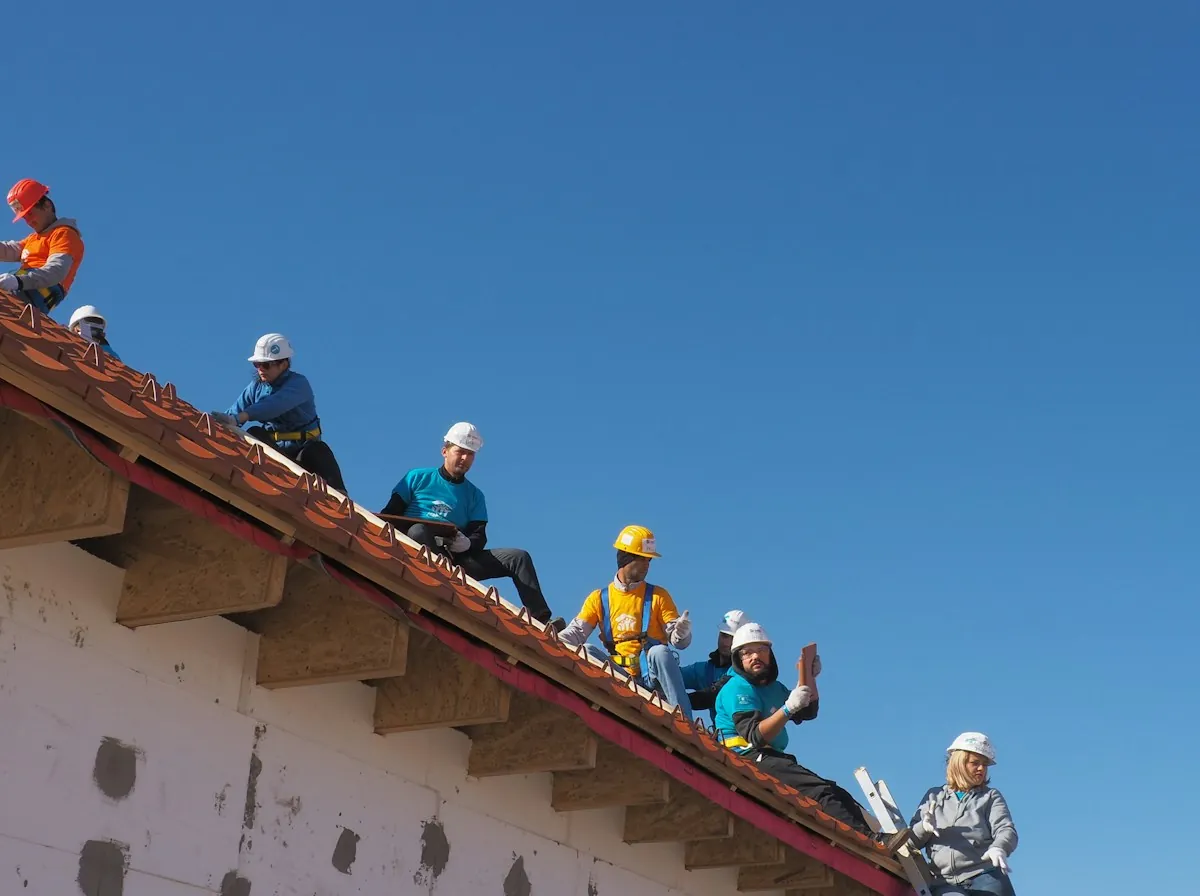
If the tile is sound and only the felt beneath has failed, the relay is the right job at roughly half the cost. We count the salvageable tile before quoting either.
Most Inland Empire tile is 1970s-onward concrete in profiles still manufactured, so breakage is replaceable and the relay stays viable. That is not true of genuinely period clay.
A replacement price with no mention of your existing tile is a price for buying tile you already own. Ask whether a relay was considered and why it was ruled out.
Expect more than one roof on a Muscoy property, and expect the outbuildings to be worse than the house because nobody looks at them until something stored underneath gets wet. Permits are San Bernardino County rather than any city, and long-span shelters are low slope with their own ponding problems.
Muscoy is unincorporated, so its permits come from San Bernardino County -- and most parcels here carry outbuilding roofs as well as a house roof.
Worth knowing before you start ringing round, and worth factoring into anything with a deadline on it.
Inland Empire roofs do not fail in storms, they fail in August. Months of zone 10 sun take the plasticiser out of asphalt and cook the felt under tile, and none of it shows until the first serious rain finds all of it at once. Most emergency calls here are the bill for a summer nobody could see.
Most Muscoy properties have more than one roof, and a single figure quietly decides which ones it includes.
On a semi-rural parcel the question is which structures are even in scope.
Wind-blown grit off open ground abrades a shingle surface in a way a built-up street does not, accelerating granule loss on the exposed slope.
Workshops and covered shelters on these parcels are long-span low slope with minimal fall, and the roof is often protecting equipment rather than living space.
The house and the outbuildings are separate structures with separate 50% tests, which is the most useful fact on this page for a Muscoy owner.
Zone 10. The cool-roof rule applies to your pitched roof.
Newest subdivisions, busiest geometry, plywood decks.
Its own city, its own building department.
Unincorporated. County permits, and more than one roof.
The oldest stock here. Check the deck first.
A century of building ages in one city.
Canyon country. Brush interface and county permits.
The questions that come up, before you have to ask.
Because the leak is under it. Concrete tile outlasts the felt beneath it by decades, and zone 10 heat widens that gap. The underlayment tears and goes brittle while the tile field above still looks new from the street -- the commonest tile failure in this valley and not visible from the ground.
Some, yes, and any honest quote says so up front with a breakage allowance. The useful part is that most Inland Empire tile is concrete in profiles still manufactured, so broken pieces can be matched and a relay stays viable.
Usually by about half. A lift and relay is $7,000 to $19,000 against $26,000 to $52,000 for a full tile replacement, because the expensive part of a tile roof is the tile and you already own it. Most Inland Empire tile is concrete in profiles still manufactured, so breakage can be matched.
No. The inspection is free, the written quote is free, and there is no obligation attached to either. What we will not do is give you a price at the door without going up, or quote a cool roof without first checking whether an exception already applies to your house.
Probably yes, and this is the main way Rialto differs from Los Angeles. Rialto is Title 24 climate zone 10, and the steep-slope cool-roof requirement applies in zones 10 through 15 -- so your pitched roof is in scope once you replace 50% or more of it. The minimum is aged solar reflectance 0.20 and thermal emittance 0.75, or SRI 16.
Free inspection, and a written quote against a written scope. Aged ratings quoted from the CRRC listing, never initial ones.