Roof replacement in Rialto priced against a written scope, with the deck checked sheet by sheet - and the cool-roof compliance route settled before you choose a product.
The thing that separates a Rialto replacement from a Los Angeles one is the energy code. This is Title 24 climate zone 10, and the steep-slope cool-roof requirement applies in zones 10 through 15 -- so your pitched roof is in scope rather than exempt. A quote that does not mention it, or that cites an initial rather than an aged reflectance, was not written by someone reading the code.
Rialto roofs work harder than coastal ones. Inland Empire heat runs well above the basin for months at a time, and the thing that kills a covering here is not storms -- it is ultraviolet light and thermal cycling, day after day, until the asphalt loses its plasticiser and the granules let go.


A full replacement here typically runs $9,000 to $22,000. The Inland Empire sits below the Los Angeles basin on labor and above the High Desert, so figures quoted from an LA average tend to read high and figures from a national average read low. The question that moves a Rialto quote most is one almost nobody asks: does an exception already apply to your house. R-20 attic insulation, a radiant barrier or sealed ducts each exempt you from the steep-slope cool-roof requirement, and checking costs nothing.
A simple roof shape, level access, a sound plywood deck, and an attic that already meets one of the cool-roof exceptions.
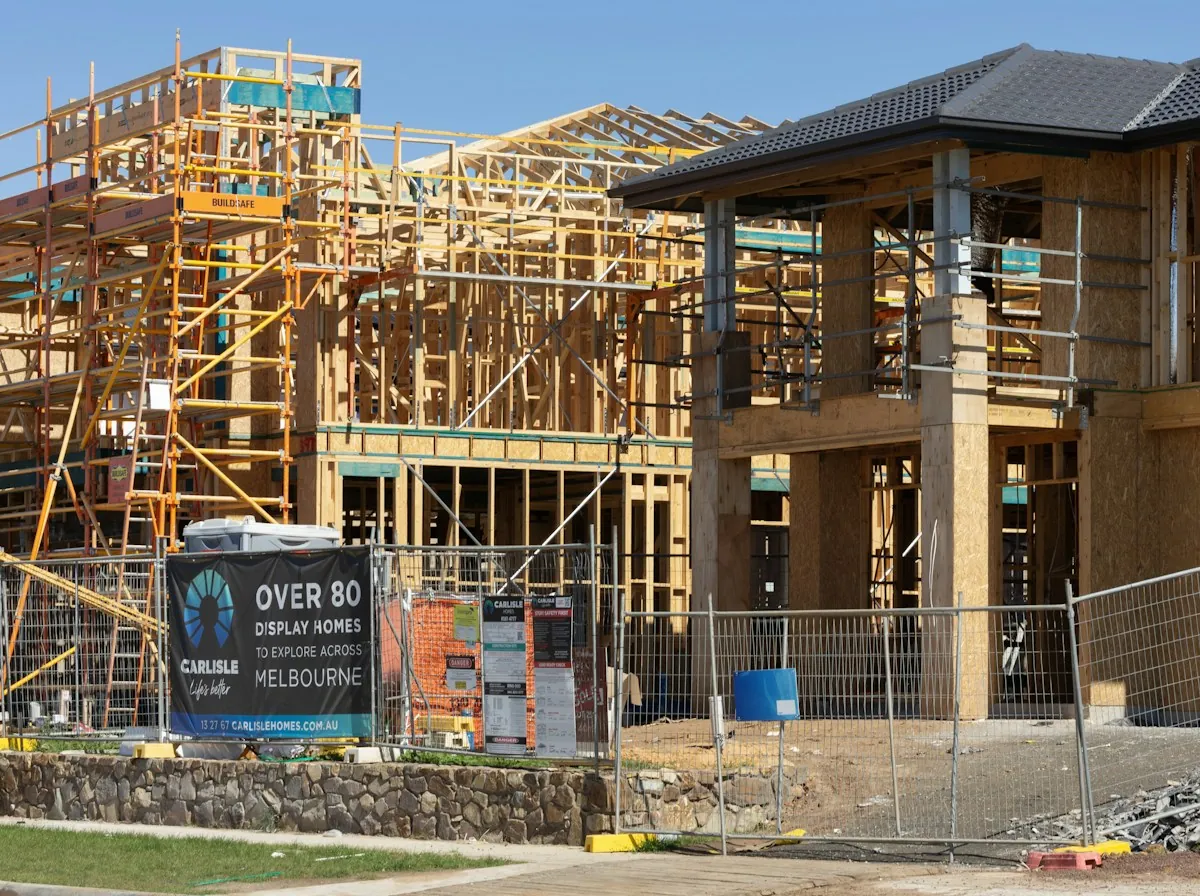
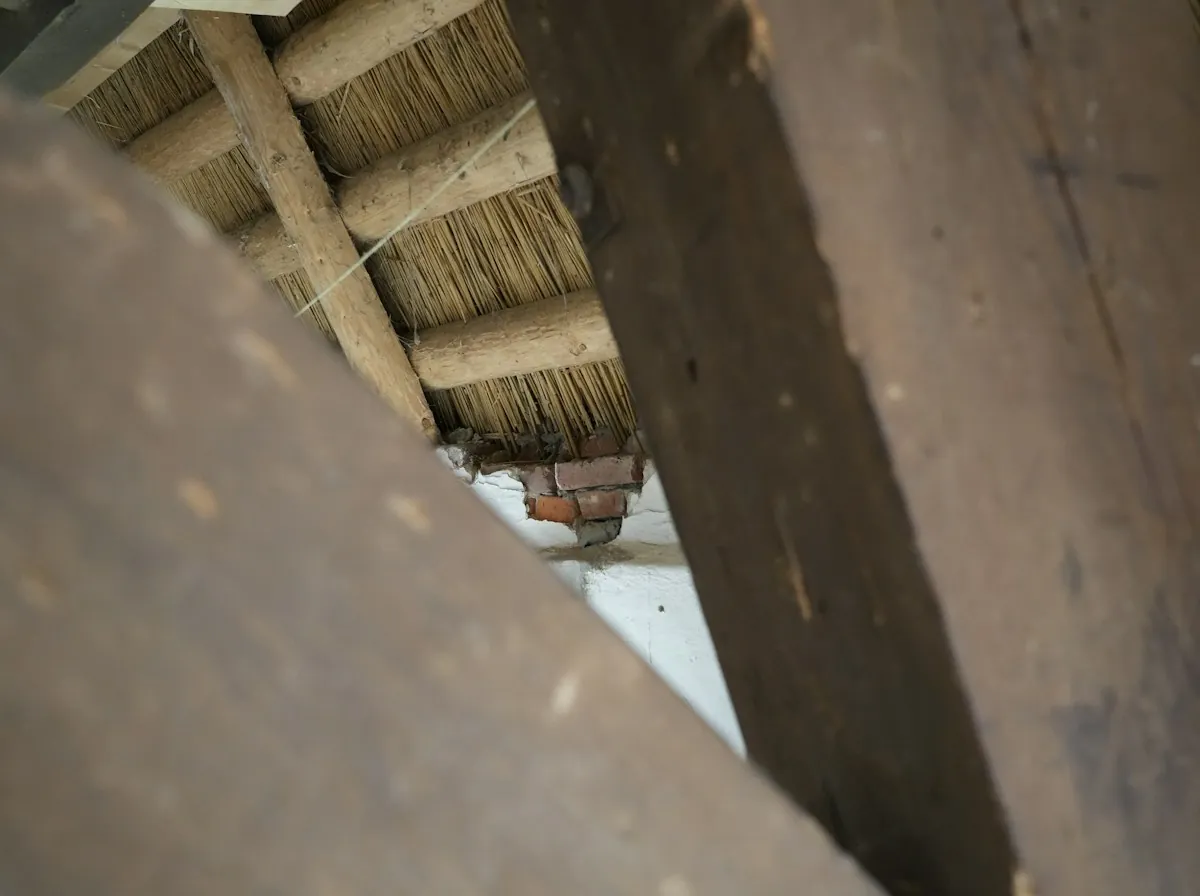
Skip sheathing on older stock, tile rather than composition, a canyon or hillside lot, a Class A fire assembly, or soft decking found once the covering is off.
Sheathing priced per sheet, the tear-off included or excluded, the underlayment named, and the cool-roof compliance route stated. Those four account for most of the gap between quotes here.
What this often turns out to be instead, and the cost of each.
In Rialto this is not an upsell, it is the code.
Age the felt, not the tile.
Composition here ages faster than its warranty implies, because warranties are written for an average American climate and zone 10 is not one.
Low slope carries the strictest cool-roof requirement in the state -- aged SRI 75 or better, in all sixteen zones with no exemption, on the same 50% trigger.
In zone 10 the 50% line decides more than it does elsewhere in the state.
This is a replacement company saying so. In this climate the most expensive mistake is buying the whole roof when the job was the felt underneath it.
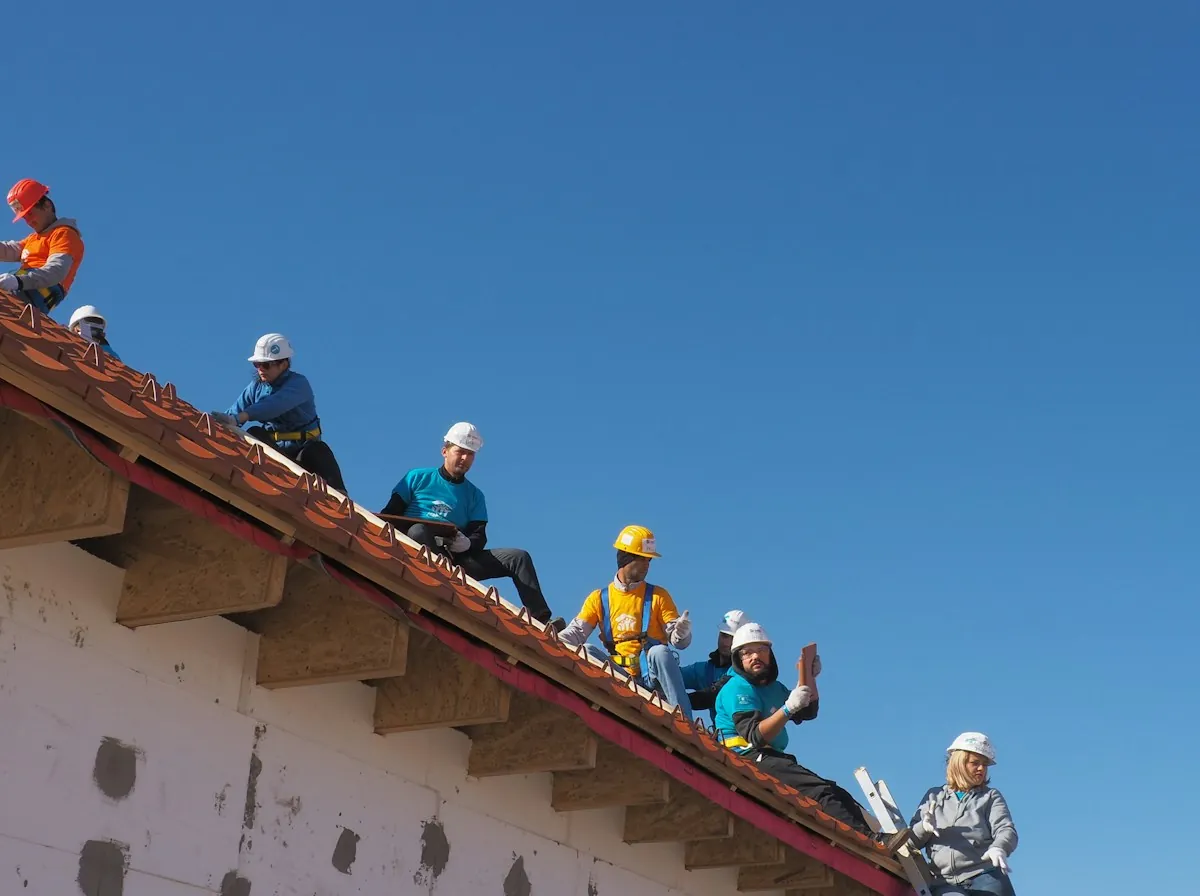
A tile roof quoted at $26,000 to $52,000 is very often a $7,000 to $19,000 lift and relay, because concrete outlives felt by decades and zone 10 heat widens that gap further. Somebody has to count your tile before that question can be answered.
A slipped course, a perished boot, a flashing that has let go: repairs, in the hundreds. Whether the roof is finished is decided by the covering away from the failure, and that is a separate thing to go and look at.
If the complaint is an unbearable upstairs rather than a leak, attic insulation and ventilation will usually do more than a new covering -- and it happens to exempt you from the cool-roof requirement as well.
We will say so when it is, and it is the same piece of advice as the opposite one: worth nothing unless you are shown what it rests on.
Free inspection, the aged rating quoted from the listing, then a written quote.
Tell us the covering and roughly how old. In zone 10 the age matters more than it does on the coast, because heat shortens a roof well inside its warranty.
Not just for ventilation. R-20 attic insulation is a documented exception to the cool-roof requirement, so measuring it decides whether you owe a product premium at all.
Prescriptive or performance, exception or not, and the aged rating from the CRRC listing rather than the initial figure. Settled on paper before anyone shows you a color chart.
Covering, underlayment and flashings named. Sheathing priced per sheet. Compliance documentation handed over for the inspection.
Including ours. There are enough door-knockers working this valley that the checks are worth making on anybody.
Roofing in California is C-39 work and the CSLB register is public. Ask for the number, check it, and check the status -- a lapsed license looks exactly like a valid one on a business card.
Title 24 specifies aged performance. A product at 0.35 new can weather to 0.22, and only the aged figure from the CRRC listing satisfies the inspection. A quote citing the initial number has not read the code.
R-20 attic insulation, a radiant barrier or sealed ducts each exempt a steep-slope re-roof from the requirement. A contractor who sells you a cool roof without looking in the attic may be selling you something you did not owe.
Rialto, Fontana, Colton and San Bernardino each run their own building department. Bloomington, Muscoy and Lytle Creek go through San Bernardino County. Filing in the wrong place costs a week.
If it came from the driveway it came from three assumptions -- the deck, the layer count and the assembly. Those are the three things that move this price most and the three you cannot see from down there. The survey comes first here, and the number after it.
This is the single biggest difference between a Rialto quote and a Los Angeles one, and most homeowners never hear it. The steep-slope cool-roof requirement applies in Title 24 climate zones 10 through 15. Rialto is zone 10. On a re-roof covering 50% or more of the roof, your pitched roof needs a minimum aged solar reflectance of 0.20 and thermal emittance of 0.75, or an SRI of at least 16.
The word doing the work there is AGED. Title 24 specifies weathered performance, not factory figures, and the Cool Roof Rating Council tests at three-year exposure sites for that reason - a shingle that starts at 0.35 can age to 0.22. If a quote cites an initial reflectance, it is citing the wrong number.
There are four documented ways out, and they can save you the product premium entirely: an addition with under 300 square feet of roofing, an attic radiant barrier, R-20 or better attic insulation, or properly sealed ducts. On a house that already has decent attic insulation you may be compliant without changing the covering at all - which is worth establishing before anyone sells you a cool roof.

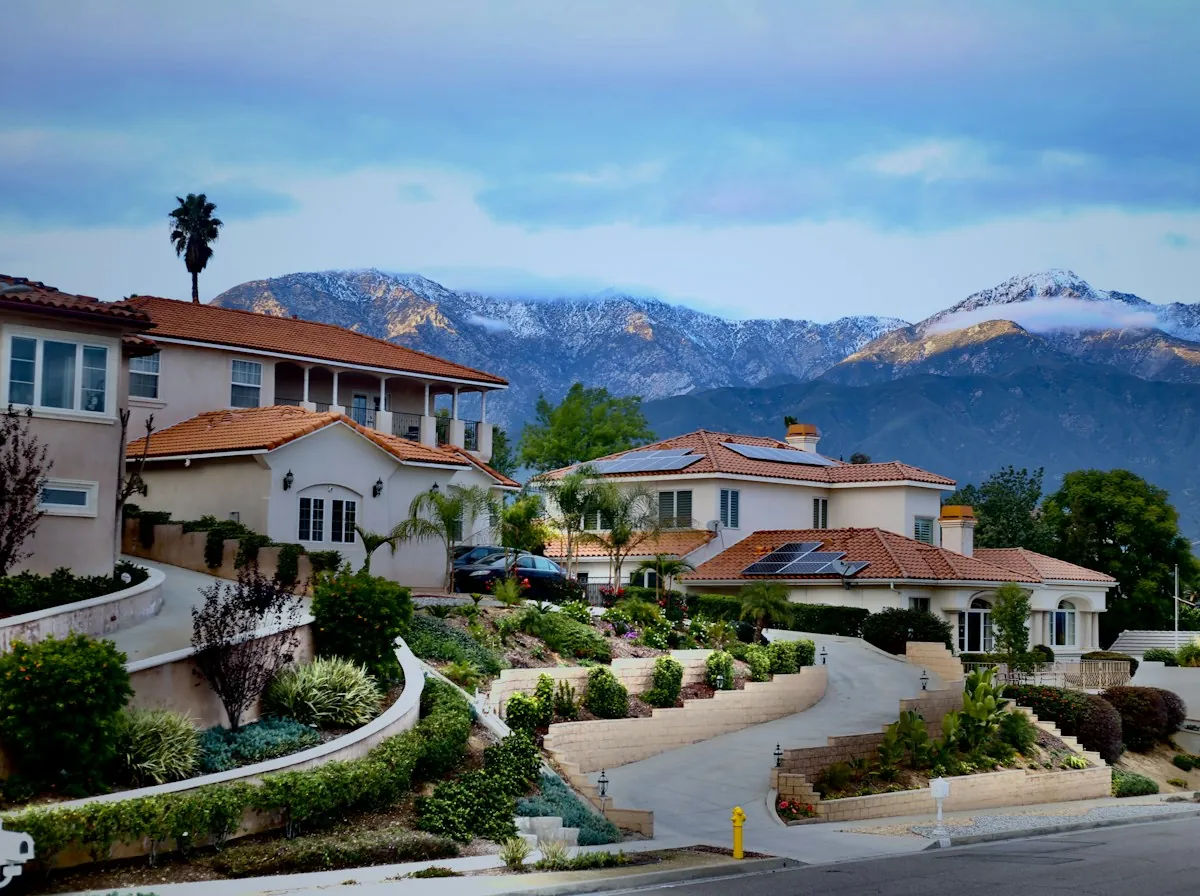
An Inland Empire city that grew through the post-war decades and again through the tract building of the 1970s onward, with newer development spreading north. Single-family tract housing across most of the city, mixing composition and concrete tile, with newer subdivisions toward the northern edge.
Heat is the local enemy and it does not arrive as an event. Sustained zone 10 sun and thermal cycling take the plasticiser out of asphalt and the felt out from under tile, so roofs here reach the end of their lives years before the warranty suggests -- and the cool-roof requirement that most of Los Angeles escapes applies here in full.
Rialto is Title 24 climate zone 10, which is why the steep-slope cool-roof requirement applies to a pitched roof here and generally does not in the Los Angeles basin.

Rialto and the communities around it - and whether your permit comes from a city or from San Bernardino County.
Newest subdivisions, busiest geometry, plywood decks.
Its own city, its own building department.
Unincorporated. County permits, and more than one roof.
The oldest stock here. Check the deck first.
A century of building ages in one city.
Semi-rural, unincorporated, outbuildings everywhere.
Canyon country. Brush interface and county permits.
The questions that decide this job, answered before you ask.
Usually because they are not the same roof. Check whether each includes a full tear-off, how sheathing replacement is priced, what underlayment is specified, and what cool-roof route it assumes. Those four account for most of the spread in this market.
Less than the warranty suggests, because the warranty was not written for zone 10. Expect composition to show its age earlier than the same product would on the coast, and expect the underlayment under tile to be the limiting factor rather than the tile. Ventilation is the single biggest lever on that.
Typically $9,000 to $22,000. The Inland Empire sits below the Los Angeles basin on labor and above the High Desert, so an LA average reads high here and a national average reads low. Composition runs about $6 to $9.50 per square foot, tile considerably more.
Probably yes, and this is the main way Rialto differs from Los Angeles. Rialto is Title 24 climate zone 10, and the steep-slope cool-roof requirement applies in zones 10 through 15 -- so your pitched roof is in scope once you replace 50% or more of it. The minimum is aged solar reflectance 0.20 and thermal emittance 0.75, or SRI 16.
It is the product's performance after weathering, not when new, and it is the only figure Title 24 accepts. The Cool Roof Rating Council tests at three-year exposure sites because a shingle that leaves the factory at 0.35 can age to 0.22. If a quote cites an initial reflectance, it is citing the wrong number.
Free inspection, a written quote, and the cool-roof route settled before you pick a product.