Roof Replacement in Colton from $9,000. Tear-off, deck checked sheet by sheet, and the aged rating quoted from the CRRC listing. Free inspection and a written quote.
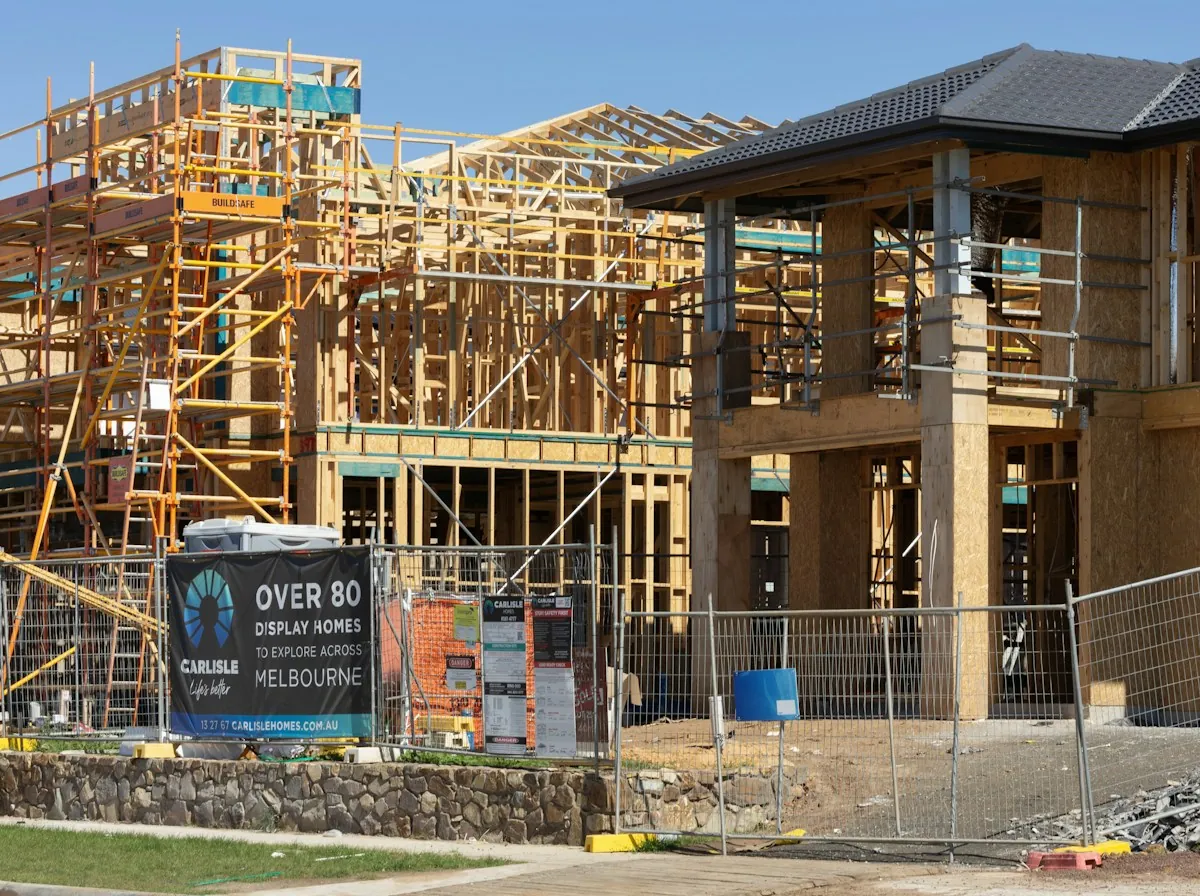
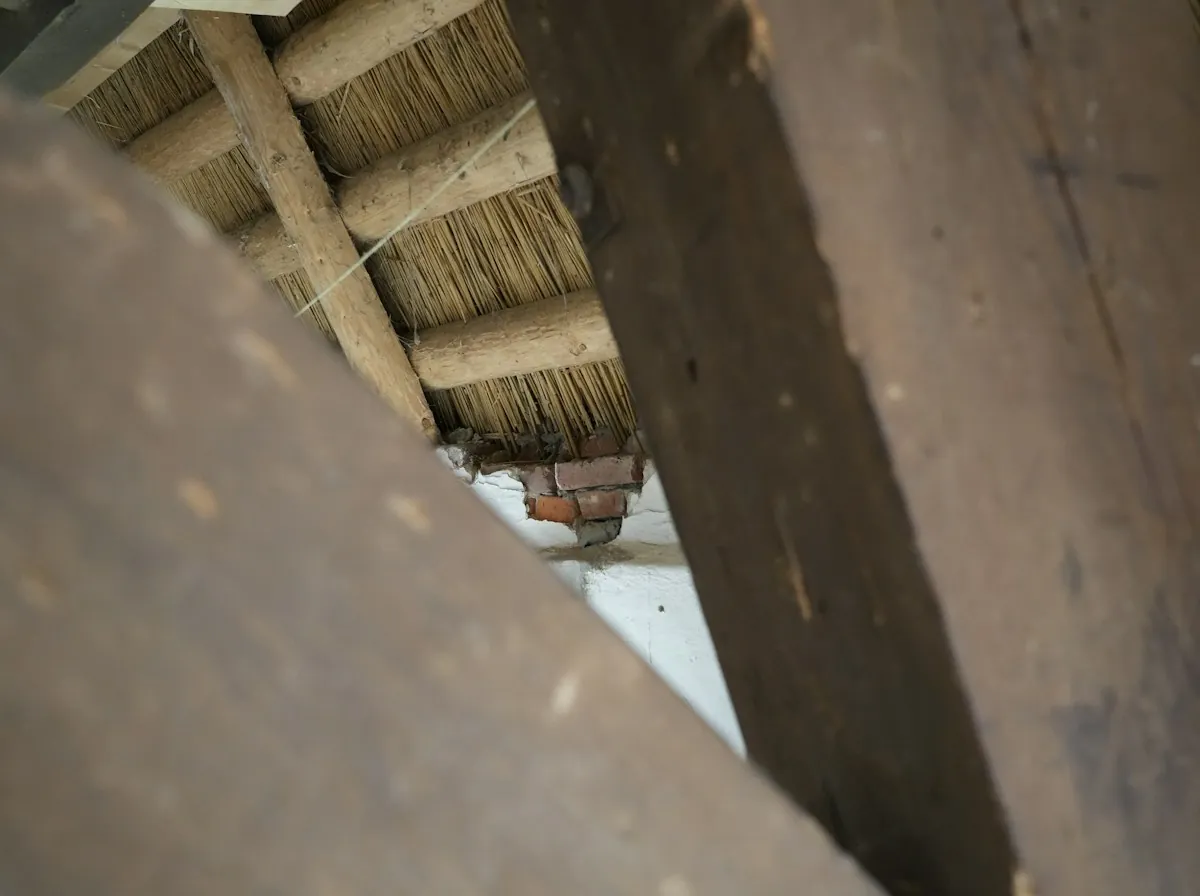
Colton has the oldest building stock covered on this site, and on those houses the deck decides the price. Skip sheathing -- spaced boards laid for wood shake -- cannot take a modern covering until it is overlaid, and that is a real cost that a quote written from the street will not contain. Ask which deck yours is.
Rialto roofs work harder than coastal ones. Inland Empire heat runs well above the basin for months at a time, and the thing that kills a covering here is not storms -- it is ultraviolet light and thermal cycling, day after day, until the asphalt loses its plasticiser and the granules let go.


A full replacement here typically runs $9,000 to $22,000. The Inland Empire sits below the Los Angeles basin on labor and above the High Desert, so figures quoted from an LA average tend to read high and figures from a national average read low. The deck decides the price on Colton's older houses. Skip sheathing has to be overlaid before a modern covering goes down, and that is a real cost a quote written from the street will not contain. Two neighboring houses can differ by thousands on exactly that.
A simple roof shape, level access, a sound plywood deck, and an attic that already meets one of the cool-roof exceptions.
Skip sheathing on older stock, tile rather than composition, a canyon or hillside lot, a Class A fire assembly, or soft decking found once the covering is off.
Sheathing priced per sheet, the tear-off included or excluded, the underlayment named, and the cool-roof compliance route stated. Those four account for most of the gap between quotes here.
An older incorporated city southeast of Rialto, with a longer history than most of its neighbors.
An older core with genuinely period housing, surrounded by post-war and later tract development.
Colton has the oldest building stock of the areas covered here, and on the older houses the deck is the variable. Skip sheathing -- spaced boards built for wood shake -- cannot take a modern covering without being overlaid first, and that is a real cost a quote written from the street will not contain.
Colton is its own incorporated city with its own building department, and carries older housing stock than the tract cities around it.
This is a replacement company saying so. In this climate the most expensive mistake is buying the whole roof when the job was the felt underneath it.
A tile roof quoted at $26,000 to $52,000 is very often a $7,000 to $19,000 lift and relay, because concrete outlives felt by decades and zone 10 heat widens that gap further. Somebody has to count your tile before that question can be answered.
If the complaint is an unbearable upstairs rather than a leak, attic insulation and ventilation will usually do more than a new covering -- and it happens to exempt you from the cool-roof requirement as well.
We will say so when it is, and it is the same piece of advice as the opposite one: worth nothing unless you are shown what it rests on.
On Colton's older houses the exceptions are less likely to save you.
Age is everything on a Colton tile roof.
An overlay is a worse idea in Colton than almost anywhere, because of what is underneath.
On the older Colton houses the flat section is usually an addition built onto a period house, and the junction where it ties into the original pitched roof is almost always where the water gets in.
A partial on a period Colton house runs into the deck question sideways.
Zone 10. The cool-roof rule applies to your pitched roof.
Newest subdivisions, busiest geometry, plywood decks.
Its own city, its own building department.
Unincorporated. County permits, and more than one roof.
A century of building ages in one city.
Semi-rural, unincorporated, outbuildings everywhere.
Canyon country. Brush interface and county permits.
The questions that come up, before you have to ask.
Usually because they are not the same roof. Check whether each includes a full tear-off, how sheathing replacement is priced, what underlayment is specified, and what cool-roof route it assumes. Those four account for most of the spread in this market.
Less than the warranty suggests, because the warranty was not written for zone 10. Expect composition to show its age earlier than the same product would on the coast, and expect the underlayment under tile to be the limiting factor rather than the tile. Ventilation is the single biggest lever on that.
It depends on the address, and people get this wrong constantly. Rialto, Fontana, Colton and San Bernardino are incorporated cities with their own building departments. Bloomington, Muscoy and Lytle Creek are unincorporated San Bernardino County. We pull it either way, but a contractor who files in the wrong place costs you a week.
Because warranties are written for an average American climate and zone 10 is not one. Sustained heat and ultraviolet take the plasticiser out of asphalt and the life out of felt under tile far faster here than on the coast. Judge a roof by its condition rather than its paperwork.
No. The inspection is free, the written quote is free, and there is no obligation attached to either. What we will not do is give you a price at the door without going up, or quote a cool roof without first checking whether an exception already applies to your house.
Free inspection, and a written quote against a written scope. Aged ratings quoted from the CRRC listing, never initial ones.