Cool Roof Replacement in Colton from $0. Required here, not optional -- and there are four documented ways out of it. Free inspection and a written quote.
On Colton's older houses the exceptions are less likely to save you. Pre-war and early post-war construction rarely has R-20 attic insulation or sealed ducts, so the prescriptive route -- a compliant covering -- is usually the one that applies. The upside is that adding the insulation is often cheaper than the product premium, and it does more for the house.
Rialto is Title 24 climate zone 10, and the steep-slope cool-roof requirement applies in zones 10 through 15. On a re-roof covering 50% or more of the roof area, the prescriptive route needs a minimum aged solar reflectance of 0.20 and thermal emittance of 0.75, or an SRI of at least 16.


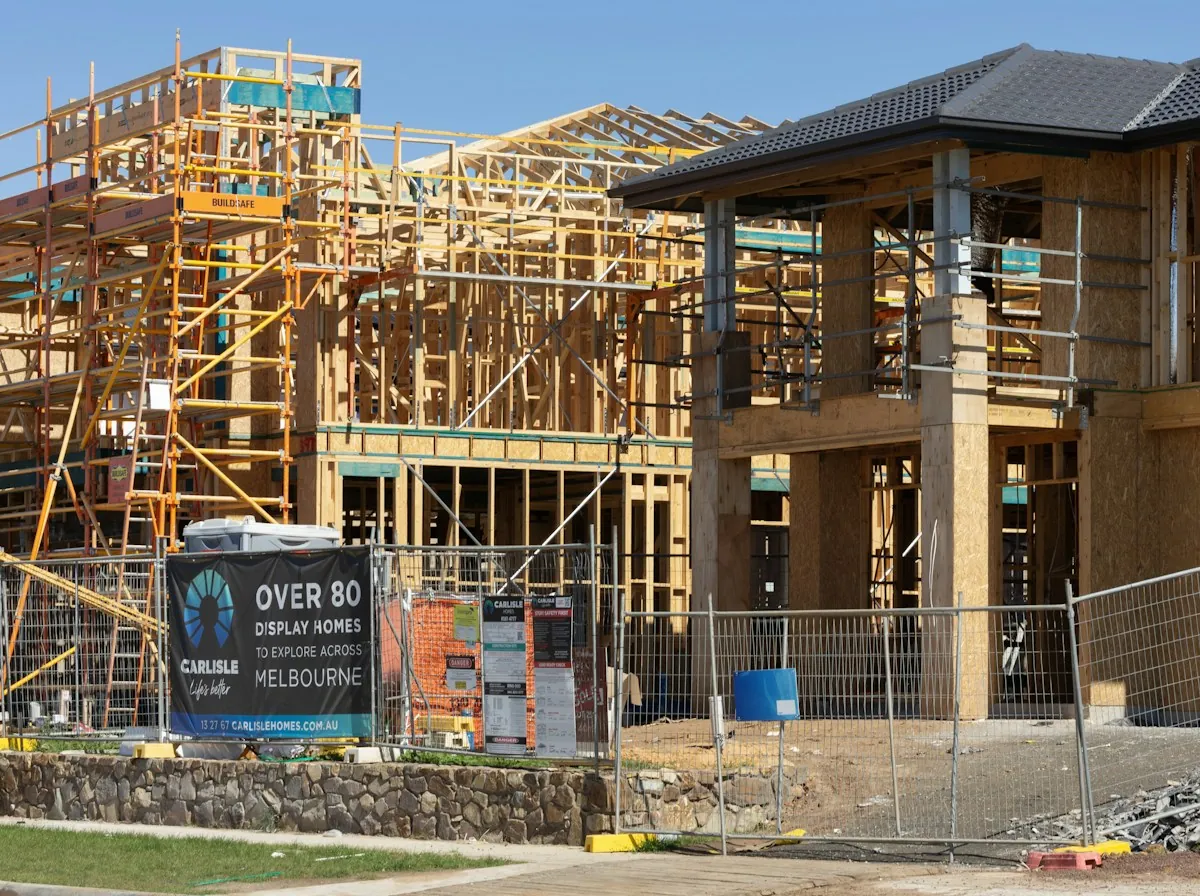
The honest headline is that this often costs nothing extra. Most architectural shingle sold in California already carries a compliant aged rating, and where it does not the premium is modest. And if your attic already has R-20 insulation, a radiant barrier or sealed ducts, a documented exception applies and the requirement does not bite at all. The deck decides the price on Colton's older houses. Skip sheathing has to be overlaid before a modern covering goes down, and that is a real cost a quote written from the street will not contain. Two neighboring houses can differ by thousands on exactly that.
Adding attic insulation to R-20 is frequently cheaper than a product premium, and unlike the covering it lowers your cooling bill for the life of the house.
A dark color you are set on, a covering with no compliant equivalent, or low slope -- which needs aged SRI 75, a far higher bar than the steep-slope 16.
The AGED solar reflectance from the CRRC listing. A product at 0.35 new can weather to 0.22, and aged is the only figure the inspector accepts.
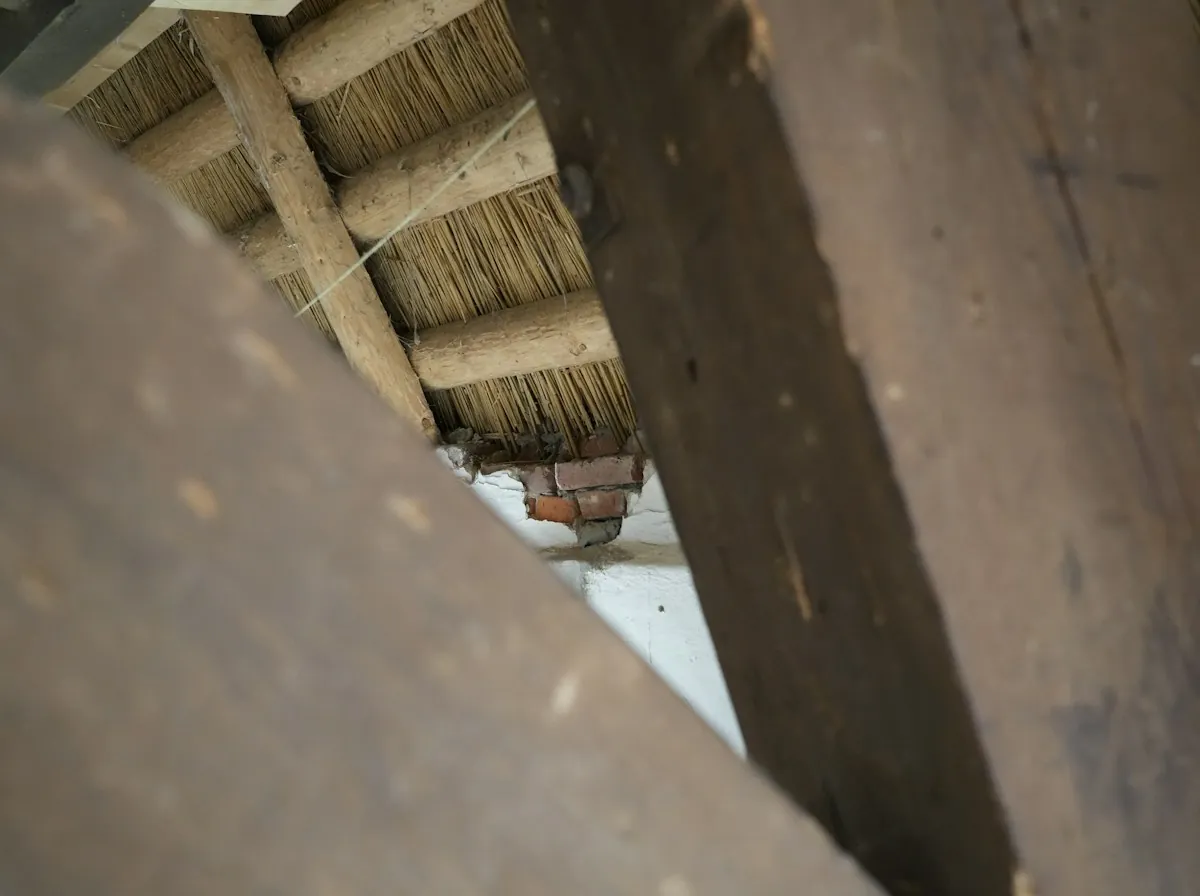
Colton has the oldest building stock of the areas covered here, and on the older houses the deck is the variable. Skip sheathing -- spaced boards built for wood shake -- cannot take a modern covering without being overlaid first, and that is a real cost a quote written from the street will not contain.
Colton is its own incorporated city with its own building department, and carries older housing stock than the tract cities around it.
This is a replacement company saying so. In this climate the most expensive mistake is buying the whole roof when the job was the felt underneath it.
A slipped course, a perished boot, a flashing that has let go: repairs, in the hundreds. Whether the roof is finished is decided by the covering away from the failure, and that is a separate thing to go and look at.
If the complaint is an unbearable upstairs rather than a leak, attic insulation and ventilation will usually do more than a new covering -- and it happens to exempt you from the cool-roof requirement as well.
We will say so when it is, and it is the same piece of advice as the opposite one: worth nothing unless you are shown what it rests on.
Colton has the oldest building stock covered on this site, and on those houses the deck decides the price.
Age is everything on a Colton tile roof.
An overlay is a worse idea in Colton than almost anywhere, because of what is underneath.
On the older Colton houses the flat section is usually an addition built onto a period house, and the junction where it ties into the original pitched roof is almost always where the water gets in.
A partial on a period Colton house runs into the deck question sideways.
Zone 10. The cool-roof rule applies to your pitched roof.
Newest subdivisions, busiest geometry, plywood decks.
Its own city, its own building department.
Unincorporated. County permits, and more than one roof.
A century of building ages in one city.
Semi-rural, unincorporated, outbuildings everywhere.
Canyon country. Brush interface and county permits.
The questions that come up, before you have to ask.
Meaningfully, on an under-insulated house in this climate -- it reduces the heat reaching the attic in the first place. On a well-insulated house the difference is smaller, which is exactly why R-20 attic insulation is one of the documented exceptions to the requirement.
Sometimes. Some darker products carry compliant aged ratings and some do not, so it depends on the specific listing rather than on the color looking dark. The other route is an exception -- insulation, radiant barrier or sealed ducts -- which takes the color question off the table entirely.
It depends on the address, and people get this wrong constantly. Rialto, Fontana, Colton and San Bernardino are incorporated cities with their own building departments. Bloomington, Muscoy and Lytle Creek are unincorporated San Bernardino County. We pull it either way, but a contractor who files in the wrong place costs you a week.
Because warranties are written for an average American climate and zone 10 is not one. Sustained heat and ultraviolet take the plasticiser out of asphalt and the life out of felt under tile far faster here than on the coast. Judge a roof by its condition rather than its paperwork.
No. The inspection is free, the written quote is free, and there is no obligation attached to either. What we will not do is give you a price at the door without going up, or quote a cool roof without first checking whether an exception already applies to your house.
Free inspection, and a written quote against a written scope. Aged ratings quoted from the CRRC listing, never initial ones.